
Rethinking the shift to outpatient care: the challenge for digital health operators
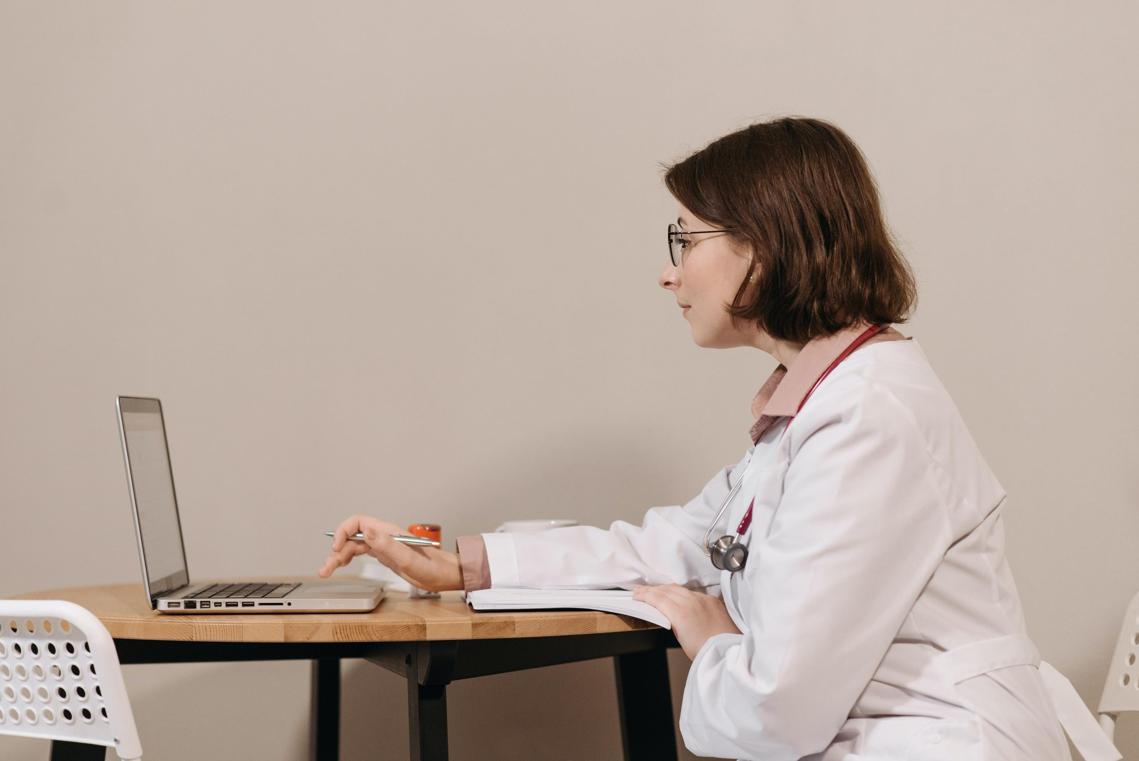
Teladoc Health, an internationally established telemedicine company specializing in supporting healthcare facilities, is tackling the shift towards outpatient care by rethinking patient pathways, tools, and remote practices to serve underserved areas.
To speak of a medical no man’s land is an understatement, at a time when emergency services are closing and small urban areas, as well as rural communities, are losing their practitioners. Care pathways are deteriorating, with delays becoming increasingly long, and the quality of follow-up suffers. This is particularly true for priority public health issues such as cardiovascular and neurovascular diseases, diabetes, cancer, and psychiatric disorders. To address this pressing problem, French public and health policies are embarking on a new vision of the healthcare system, based on outpatient care in hospitals and coordinated practice in primary care.
An organization in which physicians work hand in hand with specialists and paramedical practitioners. “We’re moving from ‘everyone to the emergency room or their general practitioner’ to a patient assessment that must be completed before arrival at the emergency room or doctor’s office. It’s not enough to simply say this; we also need to find a viable economic model that integrates with the complex healthcare ecosystem and train both physicians and the public in best practices. It’s a long-term undertaking,” explains Jean-Pascal Piermé, Vice President of Teladoc Health France.
The French subsidiary is contributing to this effort by offering support that includes territorial assessment, financing, implementation, operational setup, and ongoing support. “The medical time crisis compels us to find concrete solutions. We organize well-considered care pathways based on the specialty and the specific challenges of the region, resulting in a significant reduction in diagnostic time for patients.”
“We create additional medical time by bringing in our own doctors and providing information on best practices in digital medicine. The technological aspect is very simple to implement; it’s the transformation of practices and the training of professionals that represents a real challenge,” continues Jean-Pascal Piermé.
To achieve this, the company is working with local organizations, community health centers (CPTS), as well as healthcare facilities and private organizations to develop a new medical ecosystem. Their resources include a network of over eighty partner physicians (specialists, general practitioners, and paramedical professionals), coordination platforms and tools (remote medicine, tele-expertise, support for individuals with intellectual disabilities, and training for at-risk individuals), connected equipment, and procedural guides for telemedicine practice.
EXPERIMENTATION IN AGDE, HÉRAULT, WITH THE OASIS PILOT PROJECT LED BY GROUPAMA ASSURANCES MUTUELLES
Samir Ouaziz, a Doctor of Pharmacy, owner of his pharmacy in a town of 30,000 inhabitants, and an elected representative within the mutual insurance company Groupama Méditerranée, has been alerting public authorities since March 2019. “More and more professionals are retiring. Our region is increasingly strained in terms of access to primary care. As a member of the national health commission at Groupama Assurances Mutuelles, we work, among other things, on issues of access to care combined with innovation. Faced with this problem in our region, Groupama Méditerranée offered to pilot this project,” explains the Doctor of Pharmacy.
After an initial assessment, the teams sought out local doctors to join the program, but without much success. The beginnings of a CPTS (Community Professional Health Team), now very active, have emerged to unite around a medium-term project for a multidisciplinary center in the heart of the city to develop complementary telemedicine. “Groupama Assurances Mutuelles has partnered with organizations like Teladoc Health, which provided us with a platform and interface for consultations. Time slots have been defined, and a doctor from their team is available during these times to meet the immediate needs of the community. Appointments can be made online or directly at a pharmacy. This allows us to perform initial triage and avoid unnecessary medical appointments for a simple cold,” explains Samir Ouaziz.
The Hérault-Méditerranée metropolitan area has provided a space equipped with a teleconsultation cart supplied by Hopi Médical and financed by Groupama Assurances Mutuelles. “Unlike ‘traditional’ consultation booths, we wanted to avoid the gimmicky feel and truly improve the patient care pathway with a hybrid solution.” “A connected camera, stethoscope, and otoscope are available, and a qualified clinical assessment assistant is present throughout the consultation to provide supervision,” continues the pharmacist. This project aims to become a true multidisciplinary digital medical center. “We need to develop the role of health mediator. It already exists, but it’s not enough. We need to use mediation to gently guide users toward these new practices, co-created and integrated into their local area, because telemedicine, with its many applications (teleconsultation, tele-expertise, remote patient monitoring, remote patient assistance), is one of the fundamental keys to revitalizing the current healthcare system. The more users are aware, the more we can develop these initiatives and restore efficiency and quality of care,” shares Samir Ouaziz.
These ambitious projects already have the technological tools necessary for their success and now only require proper organization and appropriate legislation to flourish. “We now have the necessary technological building blocks.” What’s needed is to identify the right pathways locally and consider best practices at a national level. This idea can then be extended to high-demand fields like cardiology or ophthalmology, with a balance between remote check-ups and annual in-person consultations. There are many possibilities, many ideas emerging, and it’s absolutely essential that we support professionals who are eager to move things forward,” concludes the Doctor of Pharmacy.
Carla Bernini
[pdf-embedder url=“https://www.sih-solutions.fr/wp-content/uploads/2023/01/012SIHMAGv03p92-93.pdf”]