
Modernizing healthcare in Europe: the challenges for Dell Technologies
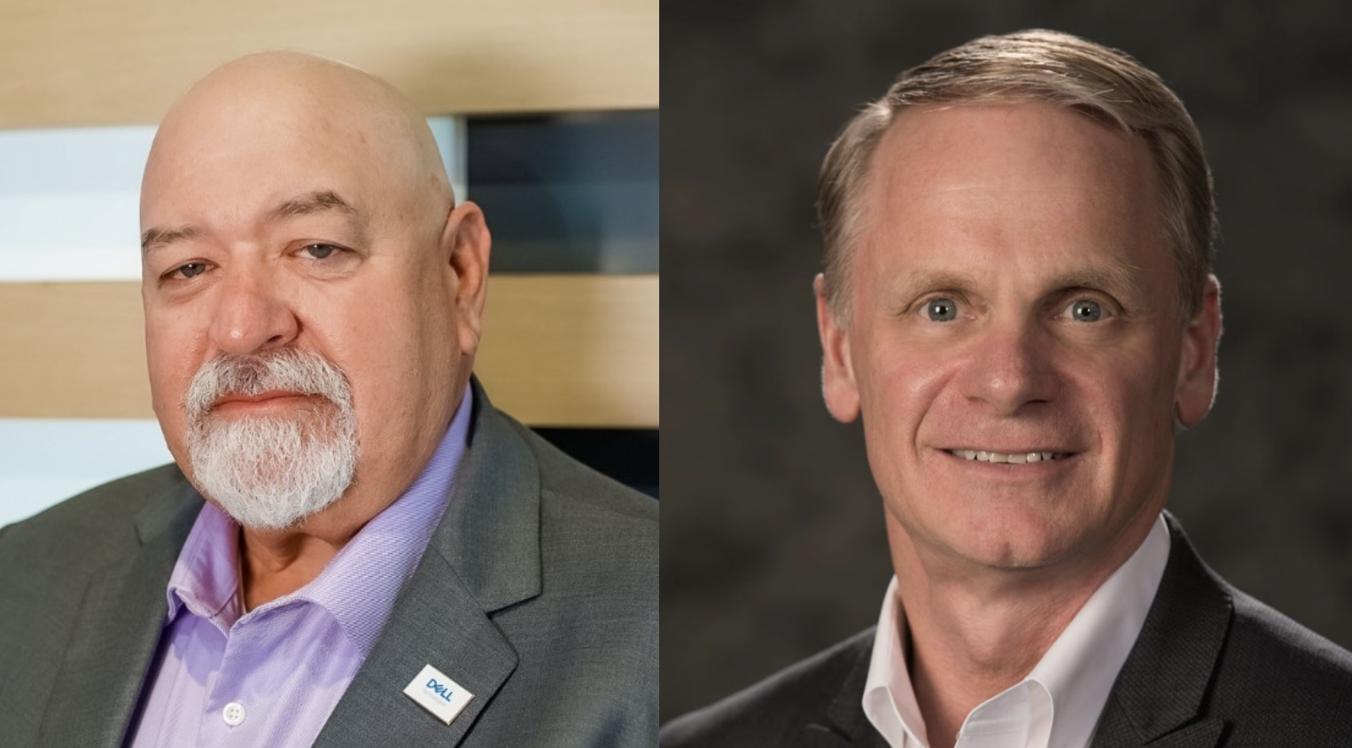
For the past decade, Dell Technologies has had a strong presence in the healthcare sector. Its goal is to help organizations strengthen their digital sovereignty. This is a significant challenge that is gradually taking shape. Steven Lazer, Director of Healthcare Technology, and David Dimond, Head of Healthcare Innovation at Dell Technologies USA, tell us more about the current challenges in healthcare.
What are the main healthcare topics for Dell Technologies this year?
Steven Lazer: Dell Technologies’ healthcare topics are primarily focused on digital transformation. We want to help healthcare organizations modernize digitally and leverage their data through management technologies. This is key to enabling them to integrate the cloud.
Overall, what are the main innovations planned?
David Dimond: We innovate on several levels. We are particularly focused on developing artificial intelligence with our partners. Our approach to innovation is to align ourselves, under the leadership of Michael Dell, CEO of Dell Technologies, to advance human health. One of our flagship projects is the Digital Medical Twin, which uses open-source technology and a comprehensive ecosystem for global access to COVID-19 data, including data on long COVID. We have also carried out globally impactful projects such as Digital Life Care in India for medical screening. These innovative advances pave the way for the secure and ethical use of data, as well as new approaches to artificial intelligence.
Sovereignty is a key issue in Europe. How does an American company like Dell position itself in a world dominated by American cloud providers?
David Dimond: First of all, Dell Technologies does not operate its own cloud in every country. It has only recently begun operating it in the United States, which was necessary to support our employees with cloud services and data sovereignty. For cloud services, each country has its own regulations, whether or not you are subject to the GDPR.
Steven Lazer: At Dell Technologies, we solve problems by creating the most appropriate solutions, whether they relate to healthcare or not. Our partnerships with organizations worldwide (integrators, resellers, etc.) enable us to support social innovation and develop data tools in numerous countries. This secure data sharing cannot happen without robust digital tools.
Modernizing healthcare in Europe: the challenges of Dell Technologies
For the past decade, Dell Technologies has had a strong presence in the healthcare industry. Its objective is to help organizations strengthen their digital sovereignty—a major issue that is gradually becoming a reality. Steven Lazer, Chief Health Technology Officer, and David Dimond, Head of Health Innovation at Dell Technologies USA, tell us more about current health issues.
What are the health topics for Dell Technologies this year?
Steven Lazer: The topics for Dell Technologies in healthcare are primarily focused on digital transformation, data privacy and security, and, of course, AI, or artificial intelligence. To begin this journey healthcare organizations need to digitally transform and modernize their use of data. Data management technologies are a beginning strategy to digitally transform the organization. This is a key to enabling them to integrate their data into and new approach whether in a public, private, or Co located cloud.
Overall, what are the main innovations planned?
David Dimond: We innovate on several levels. We focus mainly on the development of
artificial intelligence with our partners. Our approach to innovation is to align, under the
leadership of Michael Dell, General Manager of Dell Technologies, to advance human progress. One of our flagship projects is the Digital Medical Twin, which uses open source technology and a comprehensive ecosystem for global access to COVID-19 data, especially for long COVID. We have also completed global impact projects like Digital LifeCare in India for medical screening. These innovative advances pave the way for a secure and ethical use of data, but also for new approaches to artificial intelligence.
Sovereignty is a key issue in Europe. How does an American company like Dell position itself in a world dominated by American clouds?
David Dimond: First of all, Dell Technologies does not operate its own cloud in every
country. It recently operated in the United States, which was necessary to support our
cloud collaborators and the sovereignty of their data. For the cloud, each country has its
own regulation, whether or not you are subject to the GDPR.
Steven Lazer: At Dell Technologies, we solve problems by creating the right solutions,
whether it’s for health or not. Our partnerships with organizations around the world
(integrators, resellers, etc.) enable us to support social innovation and develop data tools
in many countries. This secure data sharing cannot be done without robust digital tools.